How to Plan a Lake Seminole Vacation Around Afternoon Summer Storms
A summer forecast showing thunderstorms does not necessarily mean your Lake Seminole Vacation is going to be a washout.
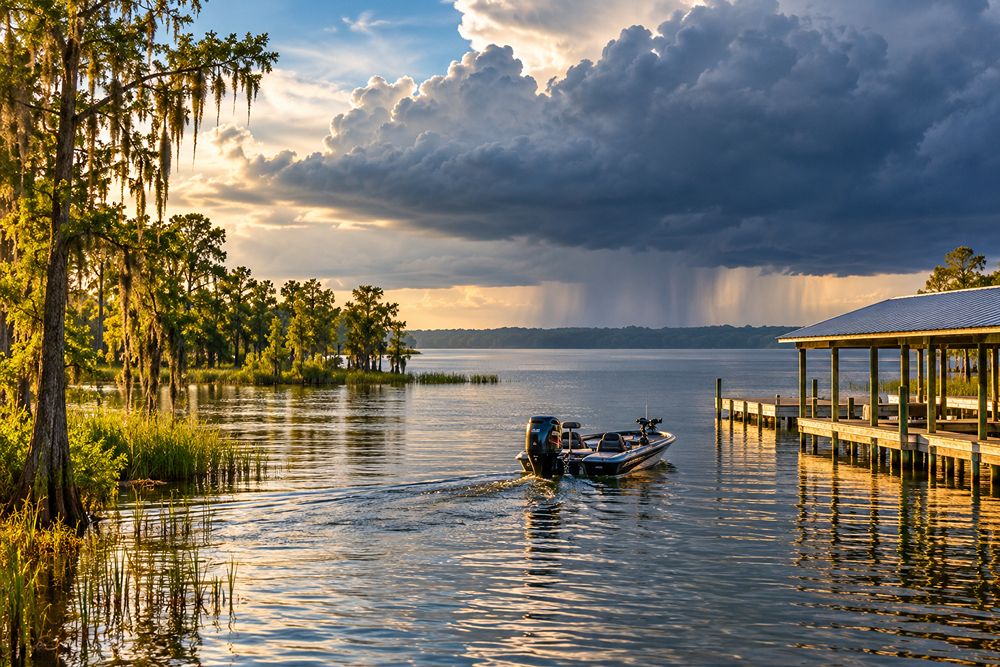
Afternoon and early-evening thunderstorms are a familiar part of summer weather across southern Georgia. The National Weather Service office serving the region regularly describes summer patterns with scattered afternoon storms, sometimes bringing frequent lightning, gusty winds, and heavy rain.
The key is to build flexibility into your day rather than expecting perfect weather from breakfast through sunset.
Think in Two Parts: Morning Outdoors, Afternoon Flexible
Plan fishing, boating, paddling, or longer dock time earlier in the day. Then keep your afternoon open for activities that can be moved indoors quickly if the sky changes.
This approach also works well for families trying to fit several activities into one trip. From Sunrise to Sunset: A Perfect Day in a Lake Seminole Vacation Home is a useful internal guide for organizing a full day without making the schedule feel rushed.
Do Not Rely on a Forecast You Checked the Night Before
Look at:
- The hourly forecast
- Radar before leaving the property
- Severe thunderstorm watches or warnings
- Lightning nearby
- Wind forecasts if you plan to boat
The National Weather Service should be your primary source when weather could affect safety.
A 40% or 50% chance of storms does not automatically mean rain all afternoon. It does mean your group should have a plan for getting off the water if conditions begin to deteriorate.
Make Thunder Your Signal to Stop
The National Weather Service states that no outdoor location is safe when thunderstorms are nearby. If you hear thunder, lightning is close enough to be dangerous, and you should move immediately into a substantial building or an enclosed, metal-topped vehicle with the windows closed.
A dock, open-sided shelter, porch, boat, or boathouse should not be treated as suitable lightning protection.
NWS guidance also recommends remaining in safe shelter for at least 30 minutes after the last thunder is heard.
Give Yourself Enough Time to Get Back from the Lake
Lake Seminole covers about 37,500 acres, so getting back to your rental, marina, or ramp can take time depending on where you are fishing.
If storms are developing nearby, head toward safe shelter early rather than trying to squeeze in another fishing spot.
Visitors bringing their own vessel should also read What Should Visitors Know Before Bringing a Boat to Lake Seminole? before traveling.
Summer Wind Matters Too, Not Just Lightning
The U.S. Army Corps of Engineers notes that although Lake Seminole is generally calm, winds of 25 mph or more can produce waves hazardous to small watercraft.
If the forecast mentions strong wind gusts, do not judge conditions only by how calm the lake looked when you launched.
Keep Georgia Boating Requirements in Mind
Georgia requires vessels to carry appropriately approved personal flotation devices, with the exact equipment requirements depending on vessel type and size. Children under 13 must wear a PFD while aboard a moving vessel unless they are inside a fully enclosed cabin.
Georgia also requires people born on or after January 1, 1998, with certain exemptions, to complete approved boater education before operating a motorized vessel.
If boating is central to your trip, your rental location can make responding to weather easier. A Lake Seminole Vacation Home with Boathouse or waterfront property near your usual fishing area may reduce the distance you need to travel when conditions start changing.
Build an Afternoon “Plan B” Before You Arrive
You might use the time to:
- Cook an early dinner
- Play games with the family
- Organize fishing gear for the next morning
- Rest after an early start
- Visit nearby shops or local attractions once conditions are safe
- Enjoy covered waterfront views after the storm has completely passed
Choosing among Lake Seminole Vacation Rentals with enough indoor living space becomes more important during summer than many visitors initially expect.
What Should You Pack for a Waterfront Vacation at Lake Seminole? is also useful for planning rain gear, sun protection, footwear, and other items that make unpredictable summer weather easier to manage.
Should You Avoid Lake Seminole in Summer Because of Storms?
Afternoon thunderstorms are part of the regional summer weather pattern, but they do not occur at the same time or intensity every day. A flexible itinerary often allows visitors to enjoy early fishing, boating, swimming, and waterfront time before changing plans if storms develop.
If summer weather is a major factor in choosing your dates, When Should You Visit Lake Seminole? provides a broader seasonal comparison.